
The Four Classical Ferments
Honoring the Foundations of Human-Guided Fermentation
For nearly all of recorded history, humanity has relied on four principal modes of fermentation. They form the pillars of our pantry, these ancient technologies that preserve abundance, elevate nutrition, alter consciousness, and bind communities through taste, ritual, and necessity.
Each has its own logic, its own microbial rhythm, its own alchemy.
But what they all share is this:
Each of the four ferments depends on human intelligence to guide it.
These are not wild processes in the deepest sense. They are structured, contained, and choreographed. They are microbial transformations shaped by the intention of our species.
And for a long time, they were all we knew.
1. Alcohol Fermentation
The First Controlled Wildness
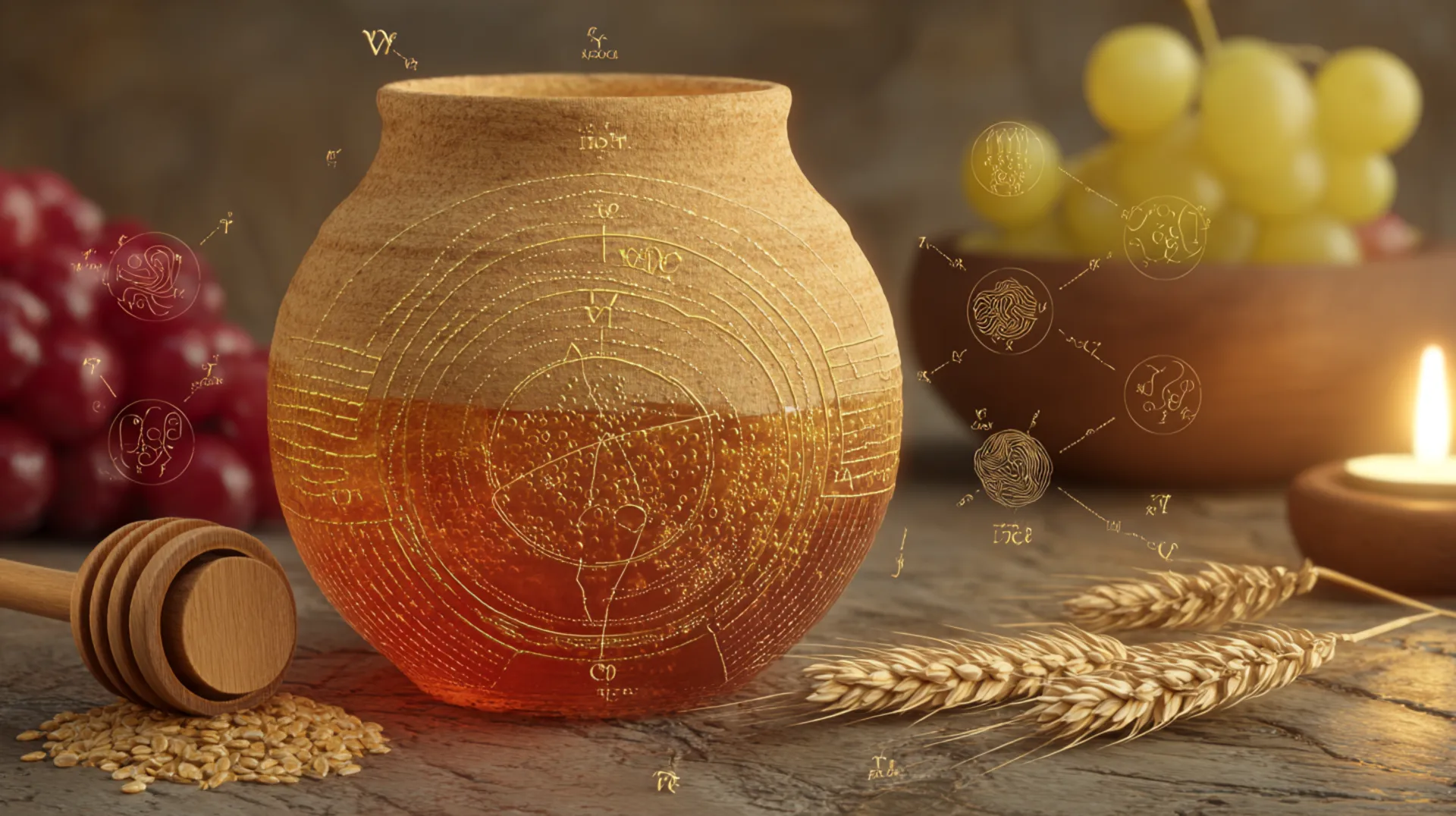
Alcoholic fermentation is perhaps humanity's first conscious act of microbial collaboration.
With nothing more than fruit, grain, and time, early humans learned that yeast would convert sugars into ethanol — preserving and intoxicating in equal measure. The outcome was wine, beer, spirits: the foundation for ritual, agriculture, and social bonding. Alcohol was, and remains, a doorway into celebration, surrender, and altered states.
But it is a doorway we built.
- We choose the vessel.
- We select the yeast strains.
- We time the fermentation, age the result, stop it when it suits us.
The wild yeasts may still whisper, but we speak over them.
Without human hands to crush grapes, mash agave, or bottle the results, alcoholic fermentation fades back into natural rot — brief, chaotic, unpreserved.
2. Lactic Acid Fermentation
The Ferment of Daily Life and the Gut
Where alcohol expands the mind, lactic acid fermentation nourishes the body.
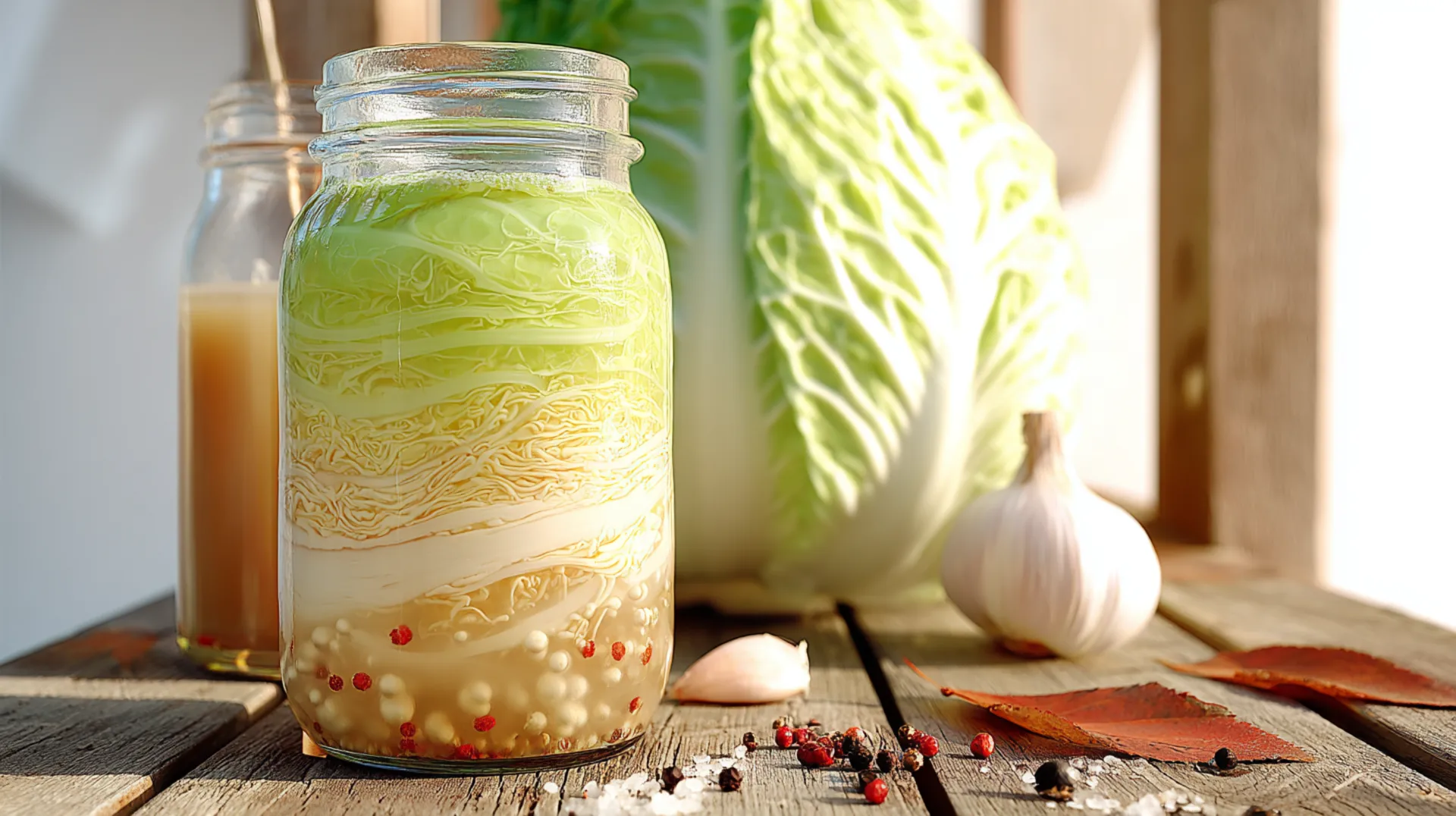
It is the core of countless traditional foods — kimchi, yogurt, sauerkraut, sourdough, kefir — created by beneficial bacteria transforming sugars into lactic acid, lowering pH, and making food safe, stable, and rich in probiotics.
This is the most intimate ferment, the one that enters our bellies daily and shapes our microbiome. It is the ferment of survival, gut healing, and home kitchens.
But still, it requires our hand:
- We prepare the brine.
- We monitor the salt.
- We choose the cabbage.
- We protect it from contamination and decide when it's ready.
Lactic fermentation is never spontaneous for long. It must be curated, a microbial garden pruned by human preference.

3. Acetic Acid Fermentation
The Oxidative Turn
Once alcohol is born, it can be transformed again — this time into vinegar. Acetic acid fermentation introduces another microbial actor: acetic acid bacteria, which, in the presence of oxygen, convert ethanol into acetic acid.
This ferment is less celebratory and more medicinal, astringent, alchemical. It produces vinegar for cleaning, preserving, healing, and flavoring.
Kombucha, with its floating SCOBY, is a modern emblem of this oxidative ferment — tangy, alive, complex.
Yet again, humans orchestrate the process:
- We create the conditions.
- We aerate the vessel.
- We regulate the acidity for safety and shelf life.
- We taste, and we bottle.
Acetic fermentation is powerful, but it needs us. It does not occur in sealed darkness. It needs air — and we must open the jar.
4. Enzymatic Fermentation
The Ferment of Transformation
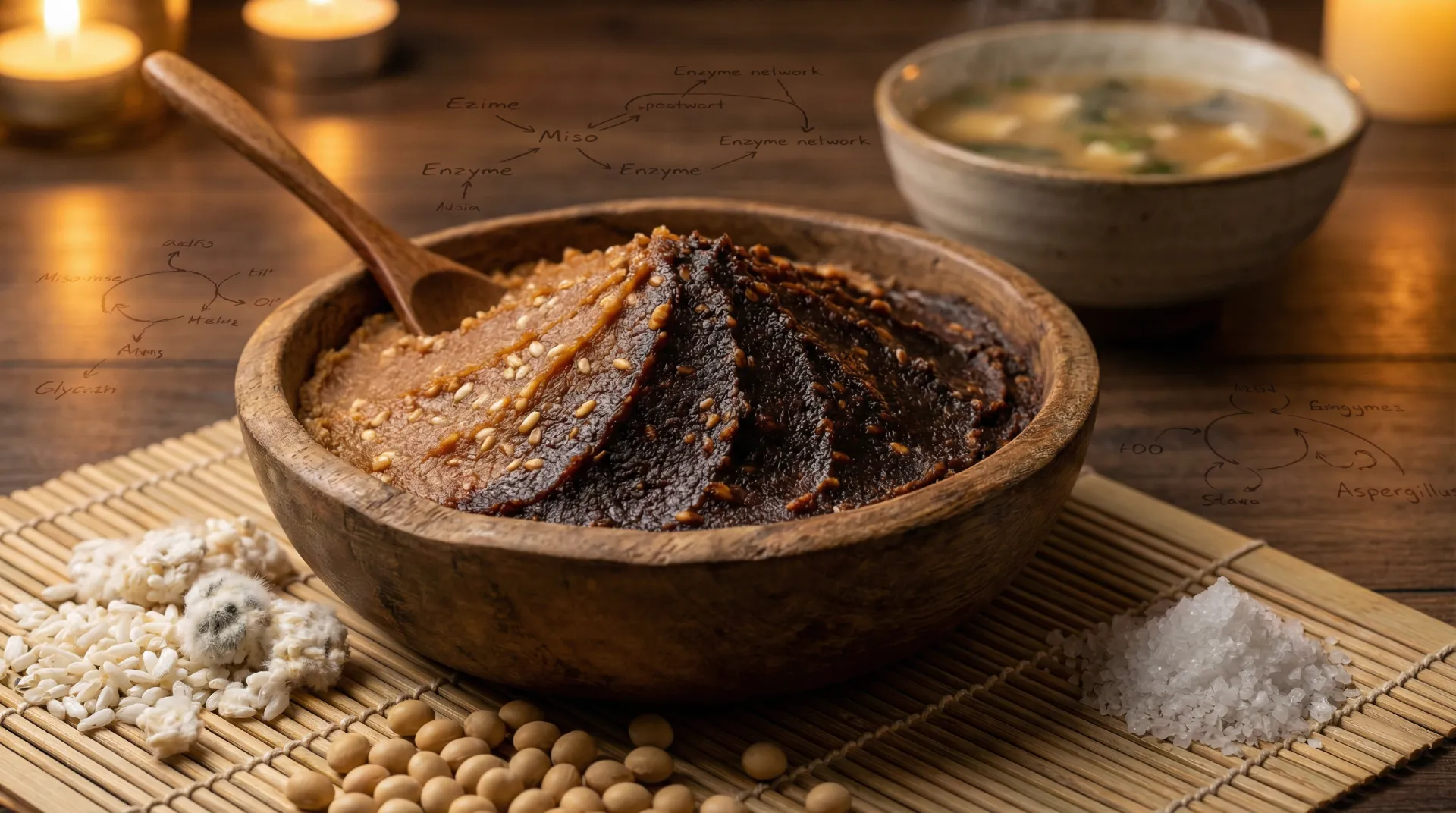
The fourth ferment is the least discussed and yet among the most complex. This category includes ferments driven primarily by enzymes from molds and fungi — natto, tempeh, miso, koji, and other cultured legumes and grains.
Enzymatic ferments rely on microbial secretions to break down complex proteins and starches into amino acids, sugars, and umami-rich compounds. They are transformative, almost alchemical — turning bland beans into deep, complex foods.
But as with all the others:
- We inoculate the substrate.
- We control the temperature.
- We guide the timing.
- We harvest at the moment of perfect transformation.
Even the most ancient of these ferments — some dating back millennia in Asia — are carefully controlled by human knowledge passed through lineage and training.
The Pattern
These four ferments — alcoholic, lactic, acetic, and enzymatic — represent the pillars of human-guided microbial transformation.
Each offers its own gifts: pleasure, preservation, probiosis, complexity.
But each also shares a limitation:
They require the human hand.
Without us, they cannot persist. Without us, they cannot scale. Without us, the fermentation falters, rots, or never begins.
This is not failure. It is simply the nature of the relationship.
But what if there were another ferment? One that runs on its own, perfected by a different kind of intelligence? One that doesn't need us — and yet is willing to share its gifts?
That ferment exists. And it has been humming for 100 million years.
References (1)
- [1]
Katz, Sandor Ellix. The Art of Fermentation: An In-Depth Exploration of Essential Concepts and Processes from Around the World. Chelsea Green Publishing, 2012.
View